Hallandale Beach, FL · Garage Door Service
When the Power Drops, What Happens to Your Opener
Hallandale Beach homes mostly date to 1953-1992, so openers vary in age by block. Here's what power outages actually do to them and when to call a tech.
- Repairs & new doors
- Springs & openers
- Serving 7 nearby communities
What Is Going On
Most houses in Hallandale Beach went up between 1953 and 1992, with the typical house dating to 1971. That spread matters more than people think, because it means the opener bolted to your garage ceiling isn't necessarily the original - it's whatever got swapped in the last time the drive gear stripped or the logic board died. Some houses on a given block still have an opener from decades back; the house two doors down might have one from last year.
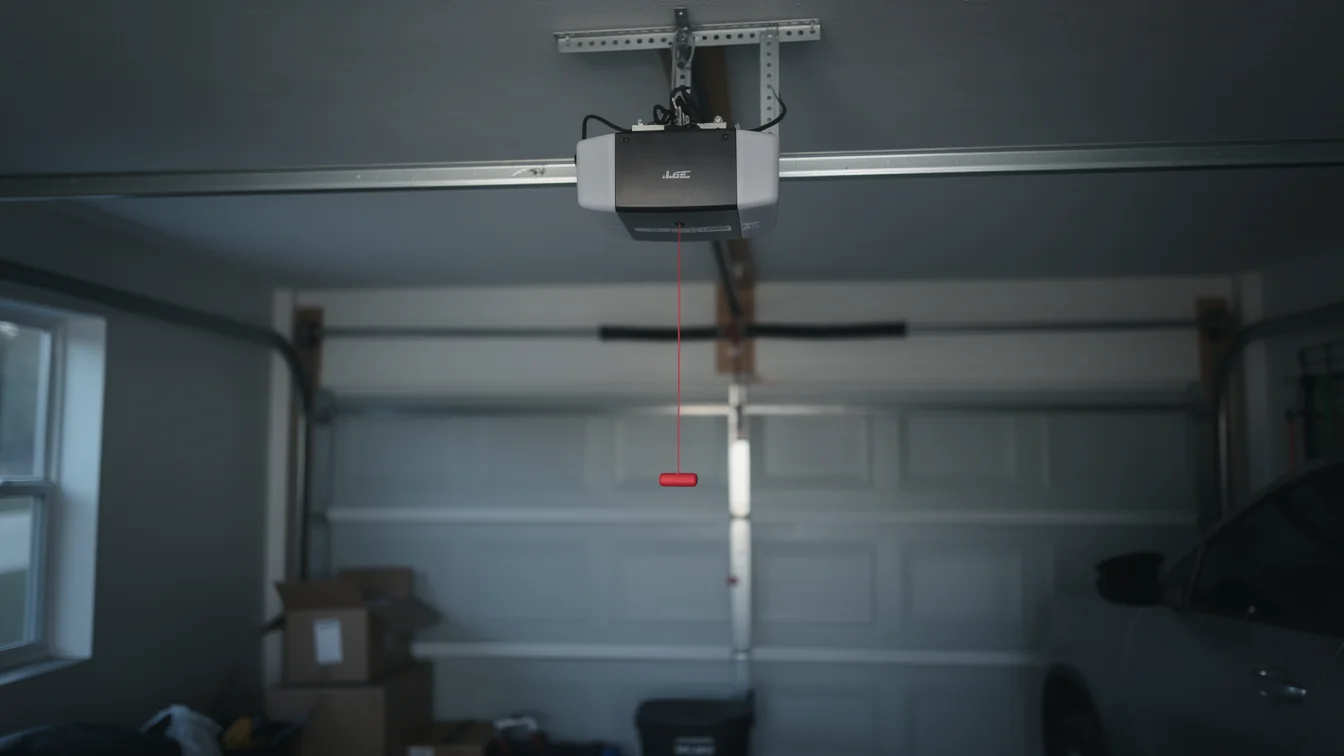
When the power outages, a garage door opener does one of two things depending on its age and setup. Older chain and screw-drive units with no battery backup just stop - the door sits wherever it was when the lights went out, and you're pulling the manual release cord to get the car out by hand. Newer units, especially anything installed in the last several years, often have a battery backup built in that keeps the door working for a handful of cycles.
The practical problem isn't the outage itself. It's that a lot of owners don't know which kind of opener they have until the power actually drops and they're standing in the driveway at 6am trying to find the release cord in the dark.
What Local Conditions Do
Hallandale Beach sits in a mild temperate climate band, which cuts both ways for opener life. You don't get the freeze-thaw cycling that kills motors and strips gears up north - no ice building up on the track, no cold-soaked lubricant turning to paste before the motor even engages. That's a real advantage, and it means an opener here often just dies of age and use rather than weather stress.
What the mild climate doesn't change is the power grid itself. A power outage doesn't care what the thermometer says, and when it happens, the opener's behavior comes down to what's installed, not what season it is. So the maintenance conversation here isn't about winterizing anything - there's no winterizing to do. It's about knowing whether your specific unit has a battery backup, and whether the manual release still works smoothly after years of sitting unused. On older openers from houses in that 1953-1992 build range, the release mechanism sometimes hasn't been touched since installation, and that's the piece that fails you right when you need it.
What It Costs
We don't have a flat number to hand you here, because what a job costs depends entirely on what's actually wrong - a dead capacitor is a different repair than a logic board, and a battery backup retrofit is different again from a full opener swap. What we can tell you is that the age spread across Hallandale Beach houses (most built 1953 to 1992) means the repair bill tends to track the age of the unit more than the age of the house. A 1971-built house with an opener from five years ago is a quick fix. The same house with an opener nobody's touched since the Clinton administration is a different conversation.
Median household income across the service area runs around $59,989, and most owners we talk to want the honest read before anything else: is this worth fixing, or is it time to replace. If your opener is old enough that parts are getting hard to source, replacement usually beats nursing it along, especially once you're also dealing with a dead battery backup or a release mechanism that's seized.
Checking It Yourself
Before you call anyone, there's a five-minute check you can run yourself. First, find the manual release cord - the red handle hanging from a lever near the top of the door - and pull it with the door closed. It should release the carriage with a firm but not violent tug. If it's stiff, stuck, or doesn't disengage the drive at all, that's your early warning sign, not something to wait on.
Second, check whether your opener has a battery backup at all. Look at the motor housing for a sticker or a small battery compartment - most units built without one simply have no backup, full stop, and no amount of troubleshooting will add one. Third, after any power outage, listen for the motor on restart. A hum with no movement usually means the capacitor's going, not the whole unit.
One limit worth being honest about: if your opener predates variable-speed drives and soft-start motors, a battery backup retrofit may not be compatible with the unit at all. In that case the real fix is a new opener, not a bolt-on part.
Frequently asked questions
Will my garage door opener still work if the power goes out?
Only if it has a battery backup installed. A lot of older openers in Hallandale Beach houses - especially anything from the earlier end of that 1953-1992 build range - were installed before backups were standard, so they simply stop when the power does. Check the motor housing for a battery compartment to find out which kind you have.
Does the climate here affect how long my opener lasts?
Less than you'd think, and in a good way. Hallandale Beach sits in a mild temperate band, so your opener isn't fighting freeze-thaw cycling the way units do farther north. Failures here tend to come down to age and use, not weather, which usually means a longer working life before the motor or gear needs attention.
How do I open the garage manually during a power outage?
Pull the red release cord hanging near the top of the door track with the door fully closed. This disengages the opener carriage so you can lift the door by hand. If the cord is stiff or won't release the carriage, don't force it repeatedly - that's a sign the mechanism needs a look before it fails completely.
Related garage door services in Hallandale Beach
More garage door guides
Book garage door service in Hallandale Beach
Call now or request a quote - tell us what the door is doing and where you are.