Hallandale Beach, FL · Garage Door Service
What Your Garage Door Is Trying to Tell You
Hallandale Beach homes mostly date 1953-1992, with original torsion hardware. Here's what each garage door sound means in this mild, steady climate market.
- Repairs & new doors
- Springs & openers
- Serving 7 nearby communities
What Is Going On
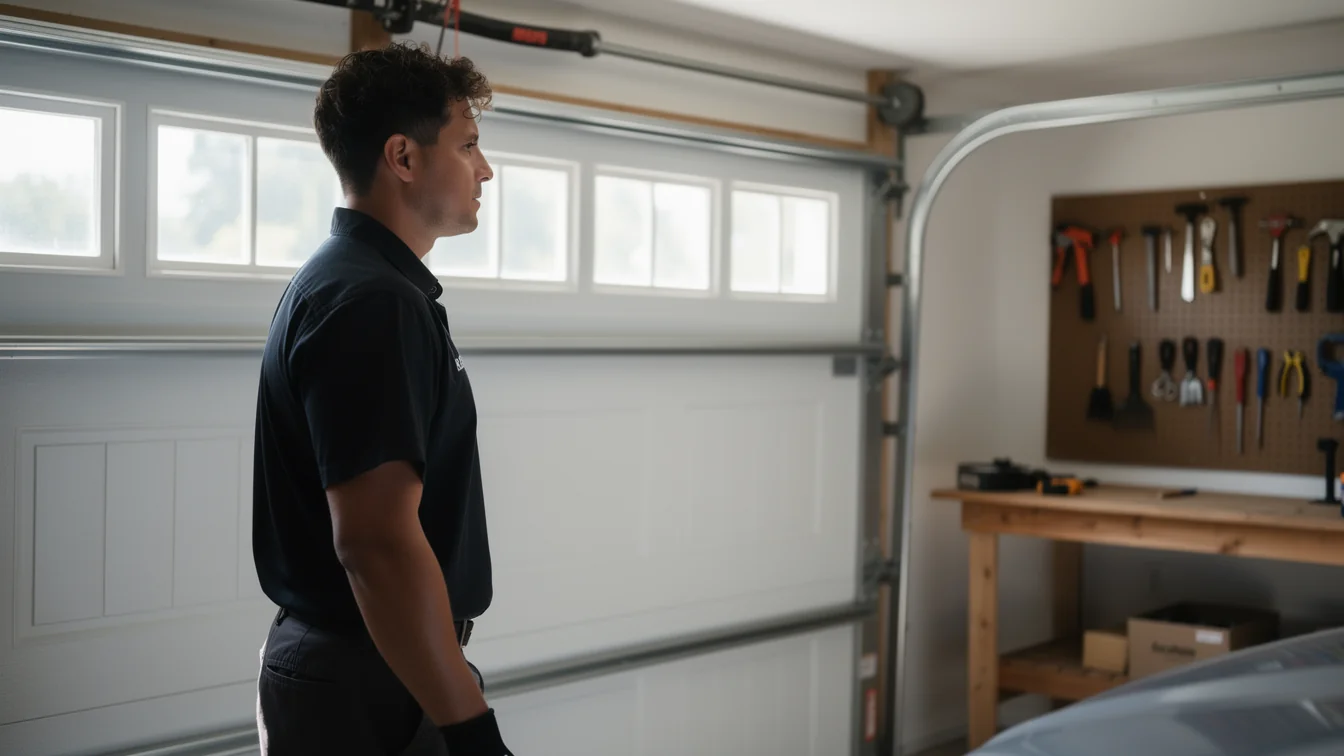
Most of the houses in this part of Hallandale Beach went up between 1953 and 1992, with the median landing around 1971. That matters because the door on the front of a house this age is rarely the original - but the track, the hinges, and sometimes the spring behind it still are. A grinding sound usually means a roller that's worn flat on one side, something that happens slowly over decades, not overnight. A sharp bang is almost always a spring letting go, and on a house built in the 1960s or 70s that spring has had a long time to fatigue. Across the 28 named areas that make up this market, the bulk of the stock dates to that same era, so the pattern repeats block after block: original hardware doing a job it was never upgraded to handle. A rattle when the door closes is often loose hinge bolts on panels that have been cycled tens of thousands of times. None of this is exotic. It's just what happens to mechanical parts on a house that's had 50-plus years to accumulate wear, and it's why the sound matters more than the age of the door panel itself.
What Local Conditions Do
Hallandale Beach sits in a mild temperate band. That's worth saying plainly because it changes what you should expect to hear. In places with hard winter freeze-thaw cycles, springs snap in cold snaps because metal contracts and loses tension fast. That's not what happens here. With 47,936 owner-occupied houses out of 183,926 households across the service area, most doors in this market fail from steady use and age, not from a cold morning shock. So when a door here starts squealing or thudding, it's almost never a weather event - it's wear that's been building for years, finally showing up as sound. That's actually useful information: it means the noise you're hearing today didn't appear overnight, and it won't go away on its own either. A squeak that shows up only in winter elsewhere in the country usually means something different here - more likely a dry hinge pin than a seasonal contraction issue. The lack of freeze-thaw stress also means hardware tends to last long enough to outlive its lubrication, which is its own kind of problem.
What It Costs
I'm not going to put a number here that isn't backed by an actual look at your door - panel size, spring type, and what's actually worn out all move the number too much to guess from a blog post. What I can tell you is how the decision usually breaks down on houses from this era. With a median household income of $59,989 across the market, most owners here are weighing a repair against a full replacement, and on a door built when the house went up - sometime between 1953 and 1992 - that's a real question, not just a sales pitch. If the track and opener are sound and it's just a spring or a roller, repair almost always wins. If the door itself has had multiple failures and the panels are original, replacement starts to make more sense, mainly because parts for the oldest hardware in this market are getting harder to source. The honest answer is: get a look at the actual door before anyone quotes you a figure, including us.
Checking It Yourself
Before you call anyone, open and close the door a few times with the opener disconnected, pulling the emergency release cord, and watch the springs and cables rather than the panel. On a house from this stretch of Hallandale Beach's housing stock - built sometime in that 1953-1992 window - the spring is the part most likely to be original, and a visibly stretched or gapped coil is a stop-now sign, not a lubricate-and-wait one. Check the rollers next: if they're nylon and chipped, or steel and pitted, that's your grinding noise. Run a hand along the track for dents, especially near the bottom where cars clip it over the years. Listen for the specific sound: a rhythmic thump means something on the roller or hinge; a single loud bang almost always means a spring. What you shouldn't do is lubricate a spring that's already showing a gap in the coil and hope it holds - that's a hardware failure waiting on a trigger, not a maintenance item.
Frequently asked questions
My garage door squeaks every time it opens. Is that urgent?
Not usually. A steady squeak is most often a dry hinge or roller bearing, which is common on houses from this market's 1960s-70s stock where original hardware is still in place. It's worth lubricating and watching, but it's rarely a same-day emergency the way a loud bang or a door that won't move is.
Why did my door suddenly get loud after years of being quiet?
On a house built decades ago, hardware wears gradually and then crosses a threshold - a roller finally flattens, a hinge finally loosens enough to rattle. Because this area doesn't get the freeze-thaw cycling that causes sudden weather-driven failures, a sudden noise here almost always means a part has quietly worn out, not that something happened overnight.
Should I just replace the door instead of fixing the noise?
Depends on what's making the noise. If it's a roller or hinge, repair it. If the door itself is original to a house from the 1953-1992 build window and has had repeated failures, replacement often makes more sense, partly because parts for the oldest doors in this market get harder to find. We'd need to see it to say which applies to you.
Related garage door services in Hallandale Beach
More garage door guides
Book garage door service in Hallandale Beach
Call now or request a quote - tell us what the door is doing and where you are.